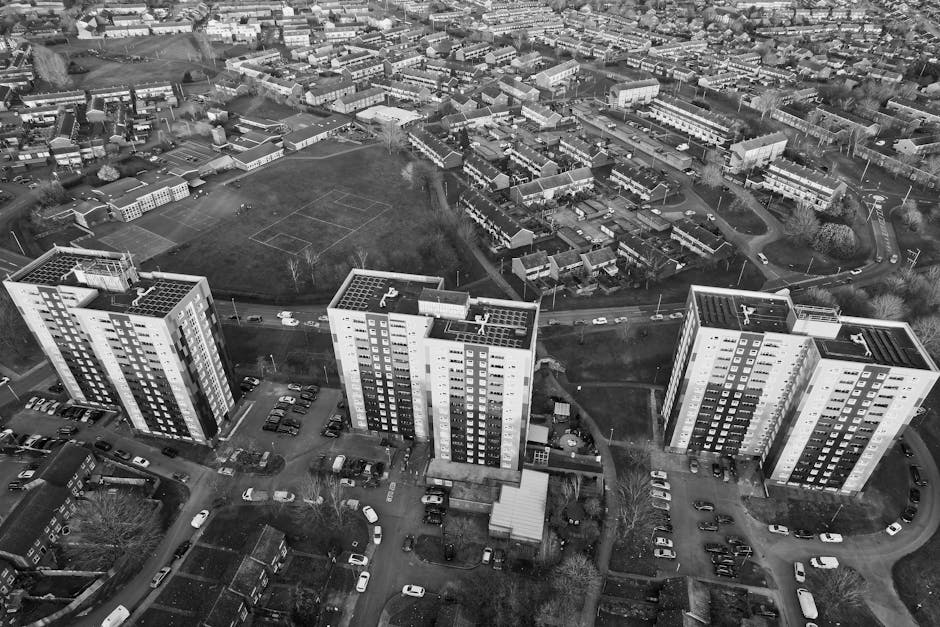
Rubbish removal for Beckton Park Estate flats, Newham
If you live in Beckton Park Estate and you're trying to shift a sofa, clear out a few black bags, or deal with a flat that has become a bit too full for comfort, you already know the real problem: rubbish removal for Beckton Park Estate flats, Newham is rarely just about "taking things away". It's about narrow communal access, neighbours, lift use, parking, disposal rules, and doing it all without causing a fuss. In a block of flats, one clumsy collection can turn into noise, mess, complaints, or a scratched hallway before lunch. Not ideal.
This guide breaks the process down in plain English. You'll find out how flat clearance and waste removal typically work, what to expect, where people trip up, and how to choose a sensible approach for your home, your neighbours, and your budget. Truth be told, a good rubbish removal job in a Newham estate is as much about planning as it is about lifting.
Table of Contents
- Why rubbish removal in Beckton Park Estate flats matters
- How rubbish removal works in a flat setting
- Key benefits and practical advantages
- Who this is for and when it makes sense
- Step-by-step guidance
- Expert tips for better results
- Common mistakes to avoid
- Tools, resources and recommendations
- Law, compliance, standards, and best practice
- Options, methods, and comparison table
- Case study or real-world example
- Practical checklist
- Conclusion
- Frequently asked questions
Why Rubbish removal for Beckton Park Estate flats, Newham Matters
Flats are different from houses. That sounds obvious, but it changes everything. In an estate like Beckton Park, you're often dealing with shared corridors, stairwells, lifts, bin stores, and close-by neighbours who will hear every bump of a bed frame or trolley wheel. One bulky item in the wrong place can block access, damage common areas, or make life awkward for everyone else on the floor.
There's also the practical side. A single flat can generate all sorts of unwanted waste: old furniture, broken white goods, renovation offcuts, packaging after a move, forgotten storage items, or general mixed junk that has no easy home. If you leave it too long, the pile grows. Then the job feels heavier than it really is. We've all seen it happen: one "I'll deal with it next weekend" turns into three months and a hallway that looks like a half-finished storage unit.
For residents, landlords, agents, and family members helping someone clear a property, the aim is usually the same. You want a clean, safe, tidy result without upsetting the block or spending all day wrestling with bags and furniture. That is where a well-planned flat clearance approach earns its keep.
Expert summary: In apartment settings, rubbish removal is not just a disposal task. It's a shared-space operation. The smoother the plan, the less stress for you and the less risk for the building.
How Rubbish removal for Beckton Park Estate flats, Newham Works
At its simplest, rubbish removal for a flat means collecting unwanted items from inside the property or from a suitable point nearby, loading them safely, and taking them to the right disposal route. The exact process depends on access, volume, item type, and whether the job is a small waste pick-up or a fuller flat clearance.
In a normal flat-based job, the sequence often looks like this:
- Assess what needs removing and where it is located.
- Separate recyclable items, general waste, reusable furniture, and anything needing special handling.
- Plan the route through the building so hallways, lifts, and entrances stay clear.
- Remove items carefully, protecting walls, floors, and shared areas where possible.
- Load waste efficiently and take it to the correct disposal or recycling point.
- Leave the area swept through and ready to use again.
That may sound straightforward. In practice, the building layout matters a lot. A ground-floor flat with easy parking is very different from a top-floor apartment with one small lift and a tight corridor. The more awkward the access, the more important the prep becomes.
And yes, the lift matters. A lot. If you've ever tried to angle a wardrobe around a lift door that seems to have been designed for someone else's life, you'll know exactly what I mean.
Many people also use broader services such as waste removal for smaller mixed loads, or specialist options like furniture disposal when the job is mainly sofas, tables, and beds. If the flat has been lived in for years and the contents are more substantial, a full home clearance style approach may be the cleaner solution.
Key Benefits and Practical Advantages
There's a reason people choose professional rubbish removal instead of trying to do it all themselves in a flat. Actually, several reasons.
- Less physical strain: Heavy items are awkward in stairwells and shared corridors. One bad lift, and that's your back complaining all week.
- Faster turnaround: A planned collection can clear an entire flat in a short window, rather than stretching over several trips to the tip.
- Cleaner communal areas: Good removal work reduces the risk of mess, scuffs, and complaints from neighbours or the block manager.
- Better sorting: Reusable items, recyclable materials, and mixed waste can be separated more responsibly than most people manage on a busy weekend.
- Less hassle with transport: No van hire, no parking headache, no guessing whether the boot will close over that oddly-shaped chair.
- Useful during life transitions: Moving, downsizing, bereavement, tenancy end, or a long-delayed clear-out all become easier when the logistics are handled properly.
One of the least talked-about benefits is emotional, not mechanical. A cluttered flat can make everything feel more difficult than it is. Once the rubbish goes, the room feels bigger, lighter, calmer. Small thing, big difference.
If you're deciding between a one-off collection and a broader property clean-out, furniture-heavy jobs often sit neatly between furniture clearance and a full domestic clearance. The right fit depends on what is actually in the flat, not just on the room count.
Who This Is For and When It Makes Sense
This kind of service is useful for more people than you might think. In Beckton Park Estate, the most common situations include:
- tenants moving out and needing to leave the flat tidy
- landlords or letting agents preparing a property for re-let
- owners clearing years of accumulated items
- families dealing with a relative's flat after a move or life change
- people replacing old furniture before a delivery arrives
- residents with bulky waste that won't fit in standard bins
- anyone with mixed household waste that is too much for a normal council collection
It also makes sense when access is limited. For example, maybe your flat is in a block where parking is tight, the lift is small, and there's no practical way to move a sofa without planning. In that situation, a proper clearance crew can save a lot of trial and error.
Sometimes the best time to book is before the panic sets in. If a move-out date is looming and you can already see the pile growing by the window, don't wait for the final evening. That's usually when the small decisions become the stressful ones.
For heavier household jobs beyond one room, some residents find that house clearance is a better mental model, even if the property is a flat. The label matters less than the scale and contents.
Step-by-Step Guidance
If you want the process to go smoothly, treat it like a short project rather than a random pile-up of bags. A little structure goes a long way.
1. Walk the flat and decide what stays
Start with every room, including cupboards, airing spaces, under-bed storage, balcony corners, and that one mysterious bag in the hallway. Separate items into keep, donate, recycle, dispose, and unsure. If you're not sure about an item, set it aside rather than mixing it with rubbish straight away.
2. Identify bulky or awkward items early
Bulky items change the job. A mattress, wardrobe, broken desk, or fridge needs more thought than a few bin bags. Write them down first. Then think about how they will move through the property without scraping walls or blocking doors.
3. Check access before collection day
Look at lift size, stair width, entry codes, parking restrictions, and any building rules that affect loading. If the block requires permission for vehicle access or has quiet-hour expectations, sort that out in advance. It saves embarrassment later, which is always nice.
4. Separate anything needing special care
Some waste needs extra handling. This might include electrical items, sharp materials, wet waste, or anything contaminated. You do not want these mixed into a general pile if it can be avoided. Keep them visible and tell the collection team in advance.
5. Create a clear route through the flat
Move loose rugs, fragile ornaments, and obstacles out of the way. Open doors that can stay open. Protect corners if needed. The simplest route is usually the safest route.
6. Load in a sensible order
Large items first, lighter waste around them, and fragile surfaces protected. This is where a good team earns its keep. They know how to work with awkward angles and not make it look like a chaotic game of furniture Tetris.
7. Do a final check
Before the team leaves, walk the flat once more. Check cupboards, drawers, and storage spaces. Sometimes the smallest overlooked items are the ones people care about most, especially during a move or bereavement clearance.
If the job is mainly packaging, leftover household clutter, and a few unwanted items, you may only need a lighter service. For larger general loads, a broader business waste removal style approach is not the right fit for a home, so stick with domestic or flat-focused clearance options where possible.
Expert Tips for Better Results
Here's the part that usually saves the most time and grief.
- Photograph the items before booking: A quick set of photos helps estimate volume and avoids surprise on the day.
- Group items by type: Keep furniture together, bagged waste together, and electronics apart if possible.
- Use the hallway as little as possible: In flats, the hallway is shared space, not a temporary storage zone.
- Keep keys, codes, and permissions ready: Nothing slows a collection like a locked gate and a missing entry fob.
- Ask about recycling and re-use: Some items that look like rubbish may still be reusable or recyclable in part.
- Book around your neighbours' rhythms: Mid-morning is often less disruptive than very early or late-day collections.
One useful habit is to clear the path before the team arrives, not during the job. It feels obvious, but people forget. Then everybody stands around moving shoes and umbrellas and wondering who put the laundry basket there in the first place. It happens.
If sustainability matters to you, ask how collected items are sorted. Responsible operators often direct suitable materials toward recycling and use disposal routes that reduce avoidable waste. You can also read more about recycling and sustainability if you want a more considered approach to clear-outs.
Common Mistakes to Avoid
Most clearance problems come from rushing. Not from the waste itself.
- Leaving everything to the last day: A same-day scramble is where items get mis-sorted and access problems surface too late.
- Underestimating volume: Flat rubbish can look smaller than it is until you start moving it. Bags multiply. Weirdly fast.
- Blocking shared spaces: Corridors, entrances, and lifts should never become storage points.
- Mixing special items into general rubbish: Some items need careful handling, and some cannot be treated like ordinary household waste.
- Forgetting building rules: Estate access, parking, and noise can all affect what is practical.
- Assuming everything can go in one trip: If the load is large, a single run may not be enough.
There's also the "I'll just do it myself in stages" trap. In a flat, stages can be fine, but only if they are organised. Otherwise the room becomes half-empty, then half-full again, then somehow worse than before. A bit of discipline helps.
For storage-heavy properties, jobs sometimes overlap with loft clearance or garage clearance if residents are moving out of a larger home into the estate. The point is to match the service to the actual waste profile.
Tools, Resources and Recommendations
You do not need fancy equipment for a basic clear-out, but a few practical tools can make a real difference:
- Heavy-duty bags: Better than thin sacks that split halfway down the stairwell.
- Labels or tape: Useful for marking keep, donate, recycle, and remove piles.
- Gloves: Simple, sensible, and worth it when items are dusty or sharp-edged.
- Measuring tape: Helpful for checking whether large furniture can pass through doors and lifts.
- Cleaning cloths and a broom: Leave the place tidy once the waste is gone.
- Phone camera: Great for documenting items, access points, and the job before collection.
Useful service pages to review before booking include pricing and quotes if you want to understand how estimates are usually framed, and insurance and safety if you want reassurance about handling and working practices.
If you're dealing with an unusually mixed flat, a combination of home clearance and furniture clearance may be more suitable than a basic rubbish pick-up. The best recommendation is often the one that fits the reality of the property, not the label on the service page.
Law, Compliance, Standards, or Best Practice
Here we need to be careful and sensible. Rubbish removal in London has a legal and practical side, and even if you are only clearing a small flat, the basics still matter.
In normal UK practice, waste should be handled by a responsible operator and taken to suitable disposal or recycling routes. You should avoid handing waste to anyone who cannot explain what happens to it. If someone is vague about disposal, that's not a great sign.
For residents and landlords, best practice usually means:
- keeping waste out of shared walkways and exits
- making sure heavy items are moved safely
- separating recyclable and reusable materials where practical
- being honest about item type and volume before collection
- using a provider that operates with appropriate care and insurance
If you are clearing a tenancy, it also helps to document the condition of the flat before and after removal. That is not about being dramatic. It just keeps things clear for everyone involved.
One more thing: estate rules can matter as much as formal waste rules in day-to-day life. Access arrangements, lift use, and quiet periods are not glamorous, but they shape how smoothly the job goes. Respecting them is part of doing the job properly.
Options, Methods, or Comparison Table
There is no one perfect method for every flat. The right choice depends on how much needs removing, how quickly you need it done, and how much access you have. Here's a simple comparison to help you think it through.
| Method | Best for | Strengths | Watch-outs |
|---|---|---|---|
| Small waste collection | Bin bags, a few loose items, minor clear-outs | Quick, light-touch, usually straightforward | Can become inefficient if the volume is larger than expected |
| Furniture clearance | Sofas, beds, tables, wardrobes | Good for bulky items and tight access planning | Needs careful measuring and route checking |
| Flat clearance | Multiple rooms, mixed contents, end-of-tenancy jobs | Most practical for full-property clear-outs | May take longer to plan and sort properly |
| General waste removal | Mixed household rubbish without major furniture | Flexible and convenient | Not ideal for very large or delicate items |
| Home clearance | Broader domestic clear-outs, often more substantial | Useful when the flat contains varied clutter and furniture | Can be more involved than expected if access is difficult |
The practical decision usually comes down to scale. If you can carry it out in one or two tidy groups, a smaller collection may be enough. If the flat has a bit of everything, go broader. That simple. Well, mostly simple.
Case Study or Real-World Example
Here's a realistic scenario. A resident in Beckton Park Estate had a one-bedroom flat that needed clearing before a move. The flat contained a small sofa, a bed frame, boxes of old paperwork, broken shelving, kitchen clutter, and several bags of mixed waste. Nothing exotic, just enough to make the rooms feel cramped.
The first step was to sort items into four rough groups: keep, donate, recycle, and remove. That took about an hour because there were a few "maybe" items tucked under the bed and in the hallway cupboard. Then the access route was checked. The lift was usable, but the hallway needed to stay clear, and the loading area had to be planned around normal estate traffic.
What made the biggest difference was not speed, but preparation. The furniture was separated from the loose waste. Fragile and personal items were boxed early. Doors were kept open where safe, and the path to the exit stayed clear. The result was a smoother collection, less disruption to neighbours, and far less stress for the resident. The flat felt different immediately after. Lighter. Easier to breathe in. You notice that sort of thing straight away.
If the job had included more bulky pieces, a dedicated builders waste clearance option would not have been suitable unless renovation debris was involved. Matching the service to the waste stream is still one of the smartest moves you can make.
Practical Checklist
Use this before collection day. It keeps things steady.
- Sort items into keep, donate, recycle, and remove.
- Measure bulky furniture and check lift or stair access.
- Confirm entry instructions, codes, and parking arrangements.
- Set aside anything fragile, personal, or valuable.
- Separate electricals, sharp objects, and special items.
- Clear communal routes and avoid blocking shared spaces.
- Take photos of the items if you need a clearer quote.
- Check whether any items can be reused or recycled.
- Keep keys, fobs, and contact details ready.
- Do one final sweep of cupboards, under furniture, and balcony areas.
Quick takeaway: A bit of sorting before collection usually saves more time than any last-minute rush ever could.
If you're ready to clear a flat without the usual stress, choose a service that understands estate access, careful handling, and tidy disposal from start to finish. For a straightforward next step, review the service details, check the quote process, and book when it suits your schedule.
Get a free quote today and see how much you can save.
Conclusion
Rubbish removal for Beckton Park Estate flats, Newham works best when it is approached calmly, with a bit of planning and a realistic view of the building layout. Whether you're shifting one bulky item or clearing a full flat, the real wins are the same: less mess, less stress, and less risk of upsetting the shared space around you.
The main thing is not to wait until the pile becomes a problem. Deal with it while it still feels manageable, and the whole job becomes easier. Cleaner too. And frankly, your future self will thank you for not leaving that awkward stack of boxes in the corner for another month.
With the right preparation and the right service fit, a flat clear-out can be one of those jobs that feels far bigger in your head than it does in reality. A relief, really.
Frequently Asked Questions
What is the best way to arrange rubbish removal for a flat in Beckton Park Estate?
The best approach is to sort the waste first, identify any bulky items, check access rules, and then choose a service that suits the volume and type of rubbish. That usually keeps the visit quick and avoids surprises.
Can rubbish be removed from inside a flat, or does it need to be left outside?
In many cases, items can be taken from inside the flat, provided access is safe and agreed in advance. Leaving everything in a communal area is usually not ideal, because it can block shared spaces and cause complaints.
How do I know whether I need flat clearance or just waste removal?
If you have a few bags or a small amount of clutter, waste removal may be enough. If several rooms need clearing, or if you have furniture mixed in with household items, flat clearance is usually the better fit.
What happens to furniture that is still in good condition?
Where practical, reusable furniture may be separated from general waste. Not every item can be reused, of course, but it is sensible to ask about sorting and recycling before collection day.
Do I need to sort recycling before the collection team arrives?
It helps, yes. You do not need to do everything perfectly, but separating obvious recyclables, electrical items, and general rubbish makes the process smoother and can improve the overall outcome.
Is it okay to leave rubbish in the hallway of the block before collection?
Usually no, or at least not for long. In a shared building, hallways and exits need to stay clear. If items must be moved out briefly, it is best to keep that window as short as possible and follow any estate rules.
How should I prepare a large item like a wardrobe or sofa?
Measure it, check the route out of the flat, remove loose parts if possible, and make sure doors and corridors can handle it. A quick plan can save a lot of awkward turning and lifting later.
What if I live on an upper floor with a small lift?
That is very common in flats, so it is not a problem by itself. It just means the job needs a bit more planning. Smaller lifts, narrow corridors, and stairs all affect the method and timing.
Can rubbish removal be arranged for end-of-tenancy cleaning?
Yes, and it often makes a lot of sense. End-of-tenancy jobs usually involve mixed clutter, leftover furniture, and unwanted household items, so pairing clearance with cleaning or inspection prep can be efficient.
How do pricing and quotes usually work for flat rubbish removal?
Quotes are commonly based on the amount of waste, the type of items, access conditions, and whether anything needs extra care. Photos or a short description usually help produce a more accurate estimate.
Are there any items that need special handling?
Yes. Electrical items, sharp materials, and some contaminated waste may need extra care. If you are unsure about an item, it is better to mention it before collection than to assume it can go in with everything else.
What should I do if my flat has been cluttered for years?
Start small and be realistic. Break the job into sections, decide what really needs to stay, and choose a service that can handle the scale of the work. Long-term clutter is common, and it is absolutely manageable with a clear plan.