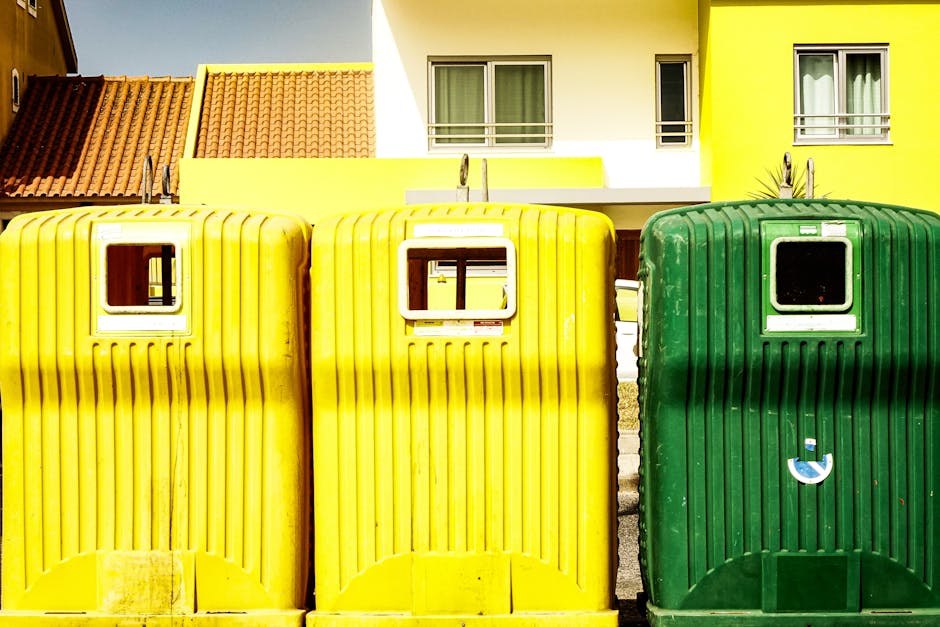
Disposing hazardous household waste in East Ham, Newham
Spare paint tins in the shed, a leaking battery in the drawer, an old can of white spirit under the sink, a fluorescent tube that keeps getting ignored because it looks harmless enough - these are the little jobs that quietly become bigger problems. Disposing hazardous household waste in East Ham, Newham is not just about getting rid of clutter. It is about protecting your home, your neighbours, and the people who handle the waste after you. Done properly, it is straightforward. Done badly, it can mean spills, fumes, fire risk, and unnecessary hassle.
If you are clearing a flat, a family home, a loft, or even just that mysterious corner in the garage, this guide walks you through what counts as hazardous household waste, how to prepare it, what safe disposal usually looks like in practice, and how to avoid the mistakes that catch people out. It is written for real life, not a textbook. Because let's face it, most people only think about this when the cupboard is already full.
Table of Contents
- Why it matters
- How disposal works
- Key benefits and practical advantages
- Who this is for
- Step-by-step guidance
- Expert tips
- Common mistakes to avoid
- Tools, resources and recommendations
- Law, compliance and best practice
- Options and comparison
- Case study
- Practical checklist
- Conclusion
- Frequently asked questions
Why Disposing hazardous household waste in East Ham, Newham Matters
Hazardous household waste is the sort of material that needs a bit more thought than your average bag of rubbish. It may be flammable, corrosive, toxic, reactive, or simply unsafe if it leaks into normal household bins. In East Ham, where homes range from compact flats to larger terraces and shared properties, waste can build up in tight storage spaces very quickly. A half-empty bottle of solvent or a cracked pesticide container does not take up much room, but it can create a disproportionate amount of risk.
The main issue is not only what happens in your home. It is what happens after collection. Mixed-in hazardous items can contaminate other waste streams, damage recycling efforts, and create a danger for anyone sorting, moving, or processing the load. That is why correct segregation matters. One wrong item in the wrong bag can turn a simple clearance into a mess.
There is also a very practical local angle. East Ham households often deal with space pressure during renovations, tenancy changes, garage clear-outs, or family bereavements. Hazardous waste turns up in exactly those moments when people are already busy. A calm, structured approach keeps everything safer and far less stressful. Truth be told, most disposal problems start with "I'll deal with it later." Later is usually the worst time.
For residents who are also clearing out broader household items, related services such as home clearance, house clearance, or even loft clearance can help keep hazardous items separated from ordinary junk, which is exactly what you want.
How Disposing hazardous household waste in East Ham, Newham Works
In practice, safe disposal usually follows a simple pattern: identify the item, keep it separate, package it safely, and send it through the right route. That route may vary depending on the item and the service used, but the principle stays the same.
Household hazardous waste can include old batteries, paint, varnish, thinners, aerosol cans, cleaning chemicals, bleach, garden chemicals, fluorescent bulbs, certain electrical items, oil, fuel, asbestos-containing materials, and some adhesives or solvents. Some items are only hazardous because they are pressurised or leak-prone. Others are hazardous because of what they contain. A battered tin that looks harmless may still carry fumes or residue, so do not judge by appearance alone.
Here is the basic flow most people follow:
- Sort the waste into hazardous and non-hazardous items.
- Check the labels for warning symbols, leaks, or residue.
- Keep original containers wherever possible.
- Seal, contain, and separate items so they do not react with each other.
- Choose a suitable disposal route based on the type and quantity of waste.
- Handle transport carefully so nothing spills in the car, hallway, or lift.
If the waste is part of a larger clear-out, many people pair it with waste removal or a room-specific clearance service like garage clearance or furniture disposal. The value there is simple: hazardous items stay controlled, while the rest of the job moves ahead normally.
One point worth stressing: never assume that "household" means "safe for ordinary bin collection." A small amount of the wrong substance can be enough to create a problem. Smell, leaks, rust, swollen containers, and damaged packaging are all warning signs. If something seems off, treat it cautiously.
Key Benefits and Practical Advantages
There are some obvious benefits to handling hazardous waste properly, and a few less obvious ones too.
- Safer home environment: fewer leaks, fumes, and accidental contact.
- Better protection for children and pets: hazardous products are kept out of reach and out of casual use.
- Less fire and spill risk: especially important with aerosols, solvents, oils, and old batteries.
- Cleaner storage spaces: sheds, cupboards, and lofts stop feeling like ticking time bombs.
- Reduced contamination: hazardous material is less likely to ruin other waste or recyclables.
- More efficient clear-outs: once the risky bits are separated, the rest of the job becomes easier.
There is also a peace-of-mind benefit that people often mention after the fact. Once the dangerous items are gone properly, the space feels genuinely usable again. You notice it in a loft hatch that opens cleanly, in a garage floor you can actually walk across, in the relief of no longer wondering whether that old tin of paint is going to leak this winter.
If you are comparing options for a broader property clear-out, it can also be useful to look at services such as flat clearance for smaller homes or furniture clearance when bulky items are part of the same job. The trick is keeping hazardous items out of mixed loads unless the handler is set up for them.
Who This Is For and When It Makes Sense
Honestly, this is relevant to more people than you might think. Hazardous household waste does not only come from major renovations. It appears in ordinary day-to-day living, and sometimes from things you forgot you owned.
You may need this if you are:
- clearing out a kitchen cupboard or utility room
- tidying a loft, garage, or shed after years of storage
- moving house and sorting "stuff we'll deal with later"
- handling the contents of a relative's home carefully and respectfully
- doing a spring clean after decorating or DIY work
- managing waste from a small business stored at home, which should not be mixed with domestic rubbish
Some East Ham residents only need one or two items taken away. Others have a proper backlog: old batteries in a jam jar, half-used paint, cracked cleaning bottles, a bulb box in the hallway, maybe an old printer cartridge or two. It adds up. There is no shame in that. Life gets busy, and storage spaces become mystery zones.
This also makes sense if you are already arranging a larger household clearance through home clearance or house clearance, because a good clearance plan starts with the risky items, not the easy ones.
Step-by-Step Guidance
If you want a practical approach, use this sequence. It is not glamorous, but it works.
- Pause and inspect the items. Do not lift everything into one bag first. Check labels, lids, and container condition.
- Separate by type. Keep solvents, oils, batteries, bulbs, aerosols, and chemicals apart if possible.
- Keep containers upright. This sounds obvious, but sideways storage is how leaks become disasters.
- Double-check for compatibility. Never mix unknown liquids together. Some combinations can react badly.
- Use a secondary container. A sturdy box, tray, or tub can help contain drips during transport.
- Label clearly. Even if the original label is faded, write down what the item is if you know.
- Store in a cool, dry place temporarily. Away from heat, sunlight, and anything flammable.
- Choose the most suitable disposal route. For small domestic quantities, a dedicated collection or clearance option is often the easiest route.
- Do not overfill your vehicle. If you are transporting items yourself, keep them stable and secure.
- Wash hands and clean the area. A bit of residue on a shelf is easy to miss, and you really do not want it lingering.
A realistic example: someone in a first-floor East Ham flat is clearing a cupboard after redecorating. They find three old paint tins, two aerosols, a bottle of cleaner, and a split battery pack. The safest move is to separate the items, keep the batteries isolated, and avoid tipping anything into a general bin sack. Simple, yes. But simple is good when it comes to hazardous waste.
If you are also dealing with clutter in a storage space, pairing the task with garage clearance or loft clearance can make the process much more manageable.
Expert Tips for Better Results
Here are the small things that make a big difference.
- Keep the original packaging if possible. It helps identify the material and reduces the chance of a mistake.
- Never decant unknown chemicals into food or drink containers. That one feels obvious, but it still happens.
- Seal lids gently, not forcefully. Overtightening can crack older plastic tubs.
- Separate batteries by terminal. Tape over exposed contacts where appropriate to reduce short-circuit risk.
- Store aerosols away from heat sources. Especially during warmer months or in sun-baked sheds.
- Take a photo of uncertain items. It can help you identify them later without handling them too much.
- Deal with hazardous waste first. In a larger clear-out, do the risky items before the rest of the room starts feeling chaotic.
One more practical tip: if you are clearing after a renovation or builders' work, hazardous household items often get mixed with dust, packaging, and leftover materials. In that case, a broader builders waste clearance approach can be useful, provided hazardous items are separated properly from general construction debris.
And yes, this is one of those jobs where a tidy pile at the end feels unexpectedly satisfying. Small win, but a real one.
Common Mistakes to Avoid
Most problems with hazardous household waste come from a handful of repeat mistakes.
- Throwing hazardous items into general bins. It may seem quicker, but it is unsafe and can cause problems downstream.
- Mixing chemicals together. Never combine leftovers just to "save space." That is a bad shortcut.
- Ignoring damaged containers. A cracked tin or bulging bottle is a warning, not a suggestion.
- Storing items near heat or flames. Aerosols and solvents deserve more respect than that.
- Forgetting about batteries and bulbs. These are often the last things people think about.
- Over-relying on memory. If you are not sure what something is, do not guess.
- Transporting loose items in the boot. A leaking bottle rolling around is nobody's idea of a good afternoon.
Another common one: assuming that because something has been in the house for years, it must be harmless now. Not necessarily. Age does not always make a product safer. Sometimes it just makes the container weaker.
Tools, Resources and Recommendations
You do not need a specialist workshop to manage small amounts of hazardous household waste safely. A few basic items are enough in most cases.
| Item | Why it helps | Practical note |
|---|---|---|
| Sturdy plastic tub or tray | Contains drips and keeps containers upright | Useful for transport or short-term storage |
| Marker pen and labels | Identifies items clearly | Especially useful when original labels are worn |
| Gloves | Reduces direct contact with residue | Choose sensible household protective gloves |
| Strong cardboard box | Keeps smaller items together | Line it if there is any chance of leakage |
| Tape for battery terminals | Helps reduce short-circuit risk | Only for suitable battery types and where appropriate |
Useful service pages to consider, depending on what else you are clearing, include recycling and sustainability if you want to understand the broader disposal mindset, and pricing and quotes if you are planning a larger clearance and want to budget sensibly.
If the job involves a mix of ordinary furniture, old storage, and household clutter, you may also find furniture clearance or furniture disposal helpful alongside the hazardous items. Keep the streams separate. That part matters more than people sometimes think.
Law, Compliance, Standards, or Best Practice
For householders, the main thing is to follow sensible legal and safety expectations without overcomplicating it. In the UK, hazardous waste handling is more tightly controlled than ordinary rubbish because it can pose risks to people and the environment. You do not need to memorise legislation to act responsibly, but you do need to avoid mixing hazardous and non-hazardous material, and you should use authorised routes where appropriate.
Best practice usually means:
- keeping hazardous waste separate from general household waste
- preventing leakage, spillage, and contamination
- storing items safely until disposal
- using a responsible collector or disposal route
- making sure anyone handling the waste knows what it is
If you are arranging a collection through a professional service, it is sensible to look for clear information on safety, insurance, and handling practices. Those details may feel dull when you are just trying to get rid of a few tins of paint, but they matter. A lot. The good news is that they are usually easy to check on pages such as insurance and safety and health and safety policy.
For business owners or landlords clearing mixed waste, it is especially important not to treat household hazard items casually. If waste has come from a commercial setting, even if it looks domestic, the handling expectations can differ. When in doubt, slow down and clarify. That is better than rushing and creating a problem that could have been avoided in five minutes.
Options, Methods, or Comparison Table
There is more than one way to deal with hazardous household waste in East Ham. The right choice depends on the type of items, how much there is, and how much time you have.
| Method | Best for | Pros | Watch-outs |
|---|---|---|---|
| DIY careful sorting and transport | Very small quantities | Flexible and immediate | Requires extra caution and proper packaging |
| Mixed household clearance with separation | Homes with clutter plus a few hazardous items | Efficient for larger clear-outs | Hazardous items must be flagged clearly |
| Specialist handling through a waste provider | More awkward, bulky, or risky items | Less stress, better control | Usually needs proper upfront detail |
| Staged clearance over several visits | Big house or probate clearances | Allows better sorting and safer handling | Can take a little longer |
For a lot of East Ham households, the sweet spot is a combination approach: separate hazardous material first, then deal with the general clear-out. That keeps the job moving without cutting corners. It is a bit like clearing a kitchen sink before washing the plates. Not exciting, but it works.
Case Study or Real-World Example
A typical local scenario might look like this. A family in East Ham is preparing a flat for reletting after a long tenancy. During the clear-out, they find a cupboard packed with half-used cleaning fluids, old batteries, two aerosols, a tin of gloss paint, and several broken bulbs. There is also a sofa and a few shelves to remove, so the whole job could easily become a rush of mixed waste.
Instead of putting everything into one pile, they separate the hazardous items first. The aerosols stay upright in a box. The batteries are kept apart from metal odds and ends. The paint tin remains sealed and labelled. The bulbs are wrapped to reduce breakage. Once that is done, the rest of the flat clearance can continue without the risk of one leaking container contaminating the whole load.
The result is boring in the best possible way: no spills, no confused sort-through at the last minute, no panicked search for the right bin, and no smell of solvent drifting through the hallway. The property is cleared more smoothly, and the risky items are handled with a bit of care. That is the whole point.
If the space also includes bulky furniture or general household items, combining the work with flat clearance or house clearance can be a practical way to keep everything moving in the right order.
Practical Checklist
Use this quick checklist before you move anything:
- Have I identified every item that could be hazardous?
- Have I checked for leaks, cracks, swelling, or damaged lids?
- Have I kept liquids, batteries, aerosols, and chemicals separate where needed?
- Have I avoided mixing unknown substances?
- Are the items stored upright and away from heat?
- Have I labelled anything that is hard to identify?
- Do I know which disposal route I am using?
- Is everything packed safely for transport or collection?
- Have I kept children and pets away from the items?
- Have I checked whether there are larger clearance needs at the same time?
Small checklist, big difference. And yes, if you get through it without discovering three more mystery containers, that is a win.
Get a free quote today and see how much you can save.
Conclusion
Disposing hazardous household waste in East Ham, Newham does not need to be stressful, but it does need to be deliberate. Keep risky items separate, package them carefully, avoid mixing unknown substances, and choose a disposal route that suits the type and quantity of waste. Once you approach it that way, the whole task becomes much more manageable.
Whether you are clearing a single cupboard or coordinating a bigger home, loft, garage, or flat clearance, the same principle applies: safety first, convenience second, and speed only where it does not compromise either of those. That approach protects your home and makes the job feel far less daunting. One step at a time, really.
And when the last awkward bottle is finally out of the way, you usually get that quiet little feeling of relief. Not dramatic. Just better.
Frequently Asked Questions
What counts as hazardous household waste?
It usually includes items such as batteries, paints, solvents, aerosols, cleaning chemicals, fuels, oils, fluorescent bulbs, pesticides, and certain adhesives. If an item is flammable, corrosive, toxic, or pressurised, treat it with caution.
Can I put hazardous waste in my normal household bin?
No, that is generally not the right approach. Hazardous items can leak, react, or cause risks during collection and processing. They should be kept separate and handled through an appropriate route.
How should I store hazardous items before disposal?
Keep them in their original containers where possible, store them upright, place them in a cool dry area, and keep them away from heat or anything flammable. If a container is leaking, contain it carefully before moving it.
What should I do with old paint tins?
Leave them sealed if possible and do not mix different paints together unless you are sure it is safe. Even nearly empty tins can contain residue or fumes, so handle them as potentially hazardous until they are dealt with properly.
Are batteries really hazardous if they look dead?
Yes, they can still be risky. Damaged or mixed batteries may short-circuit, leak, or overheat. Keep them separated and avoid storing them loose with metal objects.
Can I transport hazardous waste in my car?
For small quantities, some people do, but only if the items are sealed, upright, and secure. Never transport leaking, unstable, or incompatible materials together. If in doubt, stop and reassess.
What if I do not know what a chemical is?
Do not guess. Keep it separate from other items and treat it cautiously. Unknown chemicals should never be mixed with anything else, because that is where accidents tend to happen.
Is hazardous waste disposal different in a flat compared with a house?
The basic safety rules are the same, but access, storage, and transport can be trickier in flats. Stairwells, lifts, and shared entrances make secure packaging even more important.
Can hazardous waste be removed during a house clearance?
Yes, but it should be clearly separated and identified before collection. A general clearance is often the right time to deal with it, provided the hazardous items are not mixed into ordinary waste.
What are the biggest mistakes people make?
The big ones are mixing chemicals, throwing hazardous items into normal bins, storing them near heat, and forgetting about batteries or aerosols. Most of these problems are avoidable with a little patience.
Do I need specialist help for just a few items?
Not always. Very small, simple quantities may be manageable with careful sorting. But if the items are leaking, bulky, unknown, or part of a larger clearance, getting help can save time and reduce risk.
How do I know if a clearance provider is suitable for this kind of waste?
Look for clear safety information, sensible handling practices, and a transparent approach to pricing and service expectations. It should feel straightforward, not vague. If the explanation is muddy, that is usually a sign to ask more questions.
What should I do first if I have a pile of mixed rubbish and hazardous items?
Stop and sort the hazardous items out first. That keeps the rest of the job safer and prevents contamination. Once the risky items are separated, the general waste is much easier to manage.
Where can I learn more about related clearance services?
If your job includes bulky household items, storage spaces, or general rubbish as well, you may find it useful to look at waste removal, garage clearance, or home clearance as part of the wider plan.