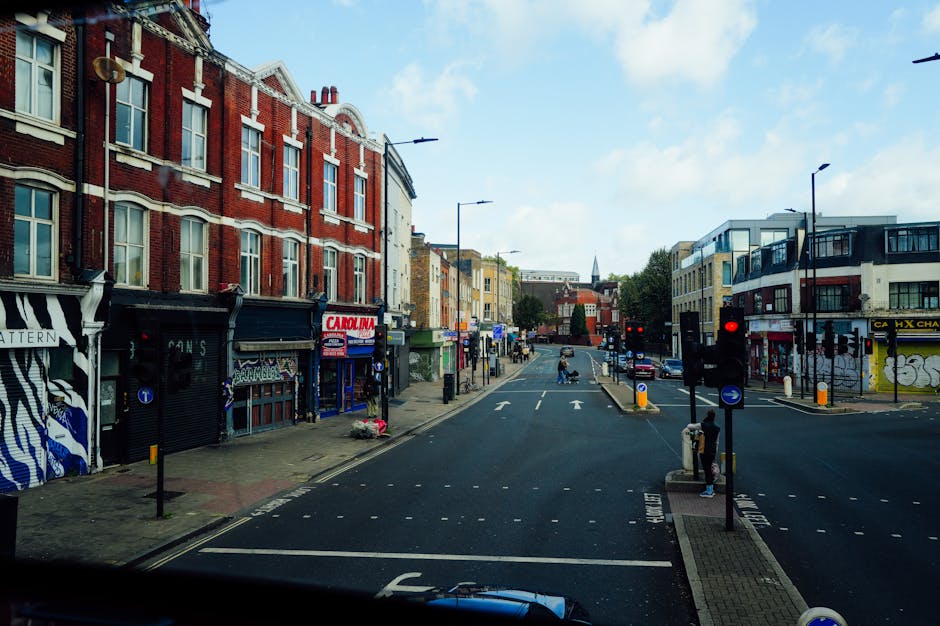
Avoid Fines for Fly-Tipping on Newham Streets
If you live, work, or manage property in Newham, fly-tipping can go from "someone dumped a few bags" to a very expensive problem fast. The wrong pile of waste on a pavement, alleyway, forecourt, or beside a communal bin store can attract a fixed penalty, a council investigation, or worse. And truth be told, it often starts with something ordinary: a skipped furniture move, a shop refit, a clear-out, or a builder leaving waste behind.
This guide explains how to avoid fines for fly-tipping on Newham streets in a practical, no-nonsense way. You'll learn what counts as fly-tipping, where people get caught out, how to dispose of waste properly, what good record-keeping looks like, and how to reduce risk if you are a landlord, business owner, tradesperson, or resident. We'll also cover the everyday details that matter, because in real life, it's often the small mistakes that cause the big headache.
For readers who want support with organised disposal, clearance planning, or compliance-minded waste handling, it can help to review the information on the main Newham clearance service page, along with the company's recycling and sustainability approach and health and safety policy. Those pages are useful when you want to understand how a professional service should handle waste responsibly, safely, and with proper care.
Table of Contents
- Why Avoiding Fly-Tipping Fines in Newham Matters
- How Fly-Tipping Enforcement Works
- Key Benefits and Practical Advantages
- Who This Is For and When It Makes Sense
- Step-by-Step Guidance
- Expert Tips for Better Results
- Common Mistakes to Avoid
- Tools, Resources and Recommendations
- Law, Compliance, Standards, or Best Practice
- Options, Methods, or Comparison Table
- Case Study or Real-World Example
- Practical Checklist
- Conclusion
- Frequently Asked Questions
Why Avoiding Fly-Tipping Fines in Newham Matters
Fly-tipping is not just an eyesore. On Newham streets, it affects footpaths, shared entrances, bin areas, shopfronts, side roads, and the daily flow of people trying to get on with life. A mattress dumped by a wall, a few black bags left beside a tree, or rubble abandoned after a job can create a mess that spreads quickly. Wind, rain, scavenging birds, and passing traffic all make it worse.
The financial side is only part of it. If waste is left where it shouldn't be, you may face enforcement action, removal costs, or disputes over who was responsible. For businesses and landlords, there's also the reputational side. Nobody wants their building associated with rubbish piles or recurring dumping. It can affect tenants, customers, and even how neighbours view the property.
There's a practical reason too. Once rubbish is dumped, the clean-up is rarely simple. What looked like "just a bit of waste" can contain mixed materials, sharp objects, liquids, or items that should have been separated. That means extra handling, more time, and more cost. Avoiding the problem in the first place is usually far easier than dealing with the aftermath.
Expert summary: The safest approach is simple: keep waste traceable, use lawful disposal routes, store rubbish securely, and never assume "someone will sort it out later." In fly-tipping cases, later is usually too late.
How Fly-Tipping Enforcement Works
In everyday terms, fly-tipping means leaving waste where you do not have permission to leave it. That can include anything from a single bin bag to bulky items, builders' waste, furniture, old appliances, broken fencing, or mixed rubbish placed beside public bins. It does not need to be a van-load to count.
Enforcement typically starts when waste is reported, spotted during patrols, or traced back through documents, labels, or other identifying material. If your details are on waste that was not handled properly, that can create a problem even when you did not mean to dump anything illegally. This is why a lot of the advice in this guide focuses on traceability and paper trail discipline. Boring? Maybe. Useful? Absolutely.
In practice, the risk often arises in three ways:
- you personally leave waste in the wrong place
- you pay someone who disposes of waste illegally
- you fail to control waste that comes from your home, business, or property
The last one catches many people out. For example, if a landlord leaves renovation waste in a shared yard, or a business puts out sacks too early and they get torn open, the outcome can look very similar from the street. The public sees waste. Enforcement sees responsibility questions.
For commercial clear-outs, it helps to work with a provider that explains how waste is handled and what happens to different materials. Useful background information is usually set out in pages like pricing and quotes, payment and security, and terms and conditions, because a transparent service should make the process clearer, not foggier.
Key Benefits and Practical Advantages
The obvious benefit of avoiding fly-tipping fines is saving money. But the real value goes beyond that. When waste is handled properly, everything becomes easier to manage. The street stays cleaner, neighbours are less frustrated, and you are less likely to be pulled into a complaint chain that begins with a single bag and ends with several emails nobody enjoys reading.
There are also operational benefits:
- Less risk of enforcement action: Proper disposal reduces the chance of penalties or follow-up questions.
- Better property presentation: Clean external spaces matter, especially for rentals, shops, and offices.
- Fewer disputes: If waste is documented and collected lawfully, there is less ambiguity.
- Smoother clear-outs: Planned removal is usually faster and less stressful than an emergency clean-up.
- Better environmental practice: Reuse and recycling become possible when materials are sorted correctly.
There's another advantage people sometimes overlook: peace of mind. If you've ever stood outside on a grey morning, looking at a pile of waste and wondering who is meant to move it, you'll know that calm is worth something. A lot, actually.
Who This Is For and When It Makes Sense
This topic matters to a wide range of people in Newham, not just businesses. In our experience, the most common groups are:
- Residents clearing out homes, sheds, lofts, or gardens
- Landlords and letting agents dealing with end-of-tenancy rubbish
- Shop owners managing packaging, fixtures, or refurbishment waste
- Office managers overseeing desk moves and redundant furniture
- Tradespeople producing waste during building, decorating, or strip-out work
- Property managers responsible for communal areas and shared access routes
It also makes sense any time you are dealing with bulky items, mixed waste, or something that will not fit neatly into standard household arrangements. Let's face it, a broken desk, old filing cabinets, plasterboard, or a stack of awkward odds and ends is exactly where shortcuts begin.
If you are unsure whether an item should be recycled, reused, separated, or removed as general waste, it is better to slow down and ask than to guess. Guessing is expensive in this area. Sometimes painfully so.
Step-by-Step Guidance
If your goal is to avoid fines for fly-tipping on Newham streets, the safest route is to make the disposal process deliberate rather than improvised. Here's a practical way to handle it.
- Identify the waste type. Separate furniture, electrical items, mixed rubbish, garden waste, packaging, and building materials where possible. Mixed waste is harder to manage and often more expensive to deal with.
- Check whether anything can be reused or recycled. Not everything needs to go straight to disposal. Usable items may be donated, repurposed, or taken through a responsible recycling route.
- Choose a lawful disposal method. Use a service or route that is suitable for the volume and type of waste. Avoid leaving anything on a pavement, verge, or shared alley "just for a bit." That can be enough to cause trouble.
- Keep records. Save invoices, job notes, collection details, and any communication confirming what was taken away. For business waste, this is especially useful.
- Store waste securely until collection. If you need to wait for removal, keep items inside a secure area where they are less likely to be blown about, torn open, or accessed by others.
- Check access and timing. Make sure the collection does not block residents, pedestrians, or emergency access. Early placement on the street can be mistaken for dumping if it is not properly managed.
- Confirm the final destination or handling process where appropriate. You do not need to become a waste auditor, but you should know that the material is being handled responsibly.
One small but important detail: if a colleague, tenant, or contractor says "I've got someone who'll take it," ask the obvious follow-up questions. Who are they? Where does it go? Is there any proof? It sounds awkward for ten seconds. It feels much nicer than dealing with a fine later.
Expert Tips for Better Results
A few habits make a big difference, and they are usually easy to adopt.
First, separate waste early. If you wait until the end of a clear-out, everything becomes a single mixed heap. That's where mistakes happen. Put cardboard, clean timber, metal, electrical items, and general rubbish into different zones from the start.
Second, photograph the waste before collection. This is not about being fussy. It helps if you need to show what was removed, when it was removed, or how much there was. A quick phone photo can save a lot of back-and-forth.
Third, do not leave waste where members of the public can mistake it for abandoned rubbish. A neatly stacked pile may still be treated as fly-tipping if it is left in the wrong place at the wrong time. Timing matters more than people think.
Fourth, choose providers with clear policies. If a clearance company has straightforward information on who they are, how they handle compliance, and what standards they work to, that is a good sign. You want transparency. Nothing fancy. Just clear, honest process.
Fifth, keep a simple waste log for recurring jobs. This is especially useful for landlords, managing agents, and shops with regular clearance needs. Date, item type, collection method, and confirmation of removal. That's enough for most purposes.
And a small real-world note: in busy areas, if a collection is delayed by traffic or access issues, do not improvise and shove items somewhere "temporary." Temporary has a way of becoming permanent, and that is how nuisance complaints begin.
Common Mistakes to Avoid
Most fly-tipping problems are not born from bad intentions. They come from rushed decisions, unclear responsibility, or a bit of wishful thinking. Here are the classic ones.
- Leaving waste beside bins after collection time and assuming it will be fine
- Using an unverified collector without checking whether the waste will be handled properly
- Mixing sharp, heavy, and light waste together so it becomes harder to move and sort
- Dumping items in communal areas because there is "nowhere else" for a short while
- Forgetting that the waste can be traced through labels, paperwork, or personal details
- Not securing loads during transport, which can cause spillages on the road
- Assuming one small item won't matter when, in reality, it may still trigger a complaint
There is also the very human mistake of hoping nobody notices. On a street in Newham, someone usually does. A neighbour, a passer-by, a delivery driver, a porter. Street life is observant. That's just the way it is.
Tools, Resources and Recommendations
You do not need a complicated system to stay on the right side of things. A few simple tools are enough.
- Phone camera: Use it to photograph the waste before and after collection.
- Shared notes app or spreadsheet: Helpful for landlords, offices, and small businesses that generate regular waste.
- Labels or marker pens: Tag different waste categories while sorting.
- Secure storage area: A locked room, yard, or container space is far better than a public-facing pavement spot.
- Written confirmation: Keep proof of who collected what and when.
If you want to compare provider suitability, the pages on pricing and quotes and insurance and safety are useful because they reflect two things every careful customer should check: cost clarity and sensible risk management. A cheap option that creates a bigger problem is not really cheap at all.
For customers with accessibility needs or site-specific concerns, the accessibility statement can also be a reassuring read. It shows that the provider is thinking about how people actually use the service, not just how it looks on a page.
Law, Compliance, Standards, or Best Practice
Without getting too legal about it, the safest position is to treat waste as your responsibility until it is clearly and properly handed over. In UK practice, that means using lawful disposal routes, avoiding unauthorised dumping, and taking reasonable steps to make sure waste goes where it should. For businesses, landlords, and contractors, that usually means keeping records and choosing reputable operators.
Best practice also means understanding the difference between general rubbish, recyclable material, bulky waste, and construction waste. They are not all the same. A broken chair is one thing. A mixed load of plaster, timber, packaging, and old fittings is another. That distinction affects handling, transport, and where the waste should end up.
It is also sensible to follow internal compliance basics:
- do not place waste in public areas unless collection has been arranged correctly
- document disposal when the volume is significant or business-related
- make sure anyone acting on your behalf understands the rules
- do not assume subcontractors or tenants have sorted everything properly
If your project involves a larger clear-out, the provider's health and safety policy and terms and conditions can offer useful reassurance about process and responsibilities. That does not replace your own judgement, of course, but it gives you a clearer picture of how professional service should be handled.
Options, Methods, or Comparison Table
There is no single best method for every situation. The right choice depends on volume, urgency, access, and the type of waste involved. Here is a simple comparison to help you think it through.
| Method | Best for | Strengths | Limitations |
|---|---|---|---|
| Self-transport to a lawful facility | Small volumes, simple household clear-outs | Direct control, useful for occasional jobs | Time-consuming, vehicle access needed, lifting risk |
| Booked professional clearance | Bulky items, mixed waste, busy schedules | Convenient, organised, reduces handling stress | Cost depends on volume and material type |
| Staged sorting before collection | Recycling-led projects and planned refurbishments | Better separation, potentially less waste going to disposal | Needs space and a little more planning |
| Leaving items out "temporarily" | Not recommended | None, really | High risk of complaints, mess, and possible fines |
The comparison is blunt on purpose. If you are dealing with a doorstep pile, a side alley, or a cramped back yard, the safe option is usually the one that reduces exposure to the street in the first place.
Case Study or Real-World Example
Imagine a small office near a busy Newham high street is clearing out old desks, monitors, packaging, and a few broken storage units. The manager is tempted to leave everything by the back entrance until "someone can pick it up." It's Friday afternoon, people are in a hurry, the weather is a bit damp, and the pile is starting to look more like rubbish than planned clearance.
Instead, the team sorts items before the weekend. Reusable chairs are separated. Electrical items are bundled for appropriate handling. Cardboard is flattened and kept dry. The manager takes photos, confirms the collection in writing, and keeps the records in the project folder. The result? No confusing pile on the street, no awkward neighbour complaint, and no risk of the waste being mistaken for abandoned material.
That is a small example, but it mirrors what happens all the time. The difference between a smooth clearance and a fly-tipping headache is often just one decision made early enough. Simple, really. Not always easy, though.
Practical Checklist
Use this checklist before any disposal or clearance job in Newham:
- Have I identified exactly what type of waste I'm dealing with?
- Have I separated reusable, recyclable, and general waste where possible?
- Do I know where the waste is going?
- Have I chosen a lawful and appropriate collection method?
- Is the waste stored securely until pickup?
- Have I avoided placing anything on the street or in a communal area too early?
- Do I have written confirmation, photos, or records?
- Have I checked access, timing, and safety for the collection?
- If this is business-related, have I kept enough documentation for my records?
- Would I be comfortable explaining this process if asked later?
Quick take: If you can answer yes to most of these, you are already reducing risk in a meaningful way.
Conclusion
To avoid fines for fly-tipping on Newham streets, the real answer is not complicated: keep waste under control, use proper disposal routes, document what you do, and never leave rubbish where it looks abandoned. That last bit matters more than people think. A street-level pile can become an enforcement problem long before it becomes an inconvenience.
Whether you are clearing a flat, managing a building, running a shop, or handling work from a trade job, the same principle applies. Plan the removal, keep it secure, and choose the option that leaves the street cleaner, not messier. The calmest jobs are the ones where nothing is left to chance.
If you are comparing services and want a clearer view of process, cost, and responsibility, take a look at the company's contact page, pricing and quotes, and recycling and sustainability information. A good next step is usually the one that makes the whole job feel less messy and more under control.
Get a free quote today and see how much you can save.
And if nothing else, remember this: a tidy street is easier to live with, easier to manage, and much easier to sleep through at night.
Frequently Asked Questions
What counts as fly-tipping on a Newham street?
Fly-tipping usually means leaving waste where you do not have permission to leave it. That can include bin bags, furniture, rubble, boxes, appliances, or mixed rubbish left on pavements, in alleyways, beside communal bins, or near entrances. It does not have to be a huge pile to cause a problem.
Can I be fined if someone else dumped waste for me?
Potentially, yes. If waste can be linked back to you, your property, your business, or your arrangements, you may still be asked questions. That is why records, receipts, and using trustworthy collection methods matter so much.
How do I avoid a fly-tipping fine when clearing out a flat?
Sort the waste first, use a lawful removal option, keep the items off the street until collection, and save proof of disposal. If the job is bigger than expected, get help early rather than trying to improvise with bags and luck.
Is leaving rubbish next to a bin allowed if collection is soon?
Not really a safe assumption. Waste left beside bins can still be treated as dumped, especially if it is unarranged, insecure, or left for too long. Timing and placement both matter.
What evidence should I keep after waste is collected?
Keep invoices, collection confirmations, notes about what was removed, and photos if practical. For business or landlord situations, a simple waste log is a smart habit.
Do businesses in Newham need to be more careful than households?
In practice, yes. Businesses usually generate more traceable waste, and there is often a stronger expectation of documentation and organised disposal. That said, households can still run into trouble if waste is left badly or handed to the wrong person.
How can I tell if a waste collector is reliable?
Look for clear information about what they do, how they handle safety, and what happens to the waste. A provider that is open about insurance and safety and explains their process plainly is usually easier to trust than one that dodges questions.
What should I do if a neighbour's waste is blocking my street access?
Try not to move or mix it with your own waste. If the material appears abandoned, report it through the proper local route and document what you saw if needed. Avoid taking responsibility for waste that is not yours.
Is recycling better than disposal for bulky waste?
Whenever suitable, yes. Recycling and reuse can reduce the amount of material that needs general disposal. It is not always possible for every item, but it should usually be considered before everything is treated as rubbish.
Can one damaged chair really be classed as fly-tipping?
Yes, if it is left in the wrong place without permission. The size of the item matters less than where it is left and whether the disposal has been arranged properly.
What is the safest way to handle waste after an office move?
Plan the move in stages, separate items by type, store waste securely, and book removal for the same day where possible. Office moves can get chaotic very quickly, so the fewer loose ends you leave, the better.
Where can I learn more about the company before booking?
You can review the about us page for background, the terms and conditions for service expectations, and the privacy policy if you want to understand how personal information is handled.